About this agreement
Family Arrangement Format
Are you seeking a reliable Family Arrangement Format to amicably resolve property disputes within your family? Our customizable Family Arrangement Format in PDF and Word formats is designed specifically for use in India, offering a ready-to-use legal template that saves time and ensures compliance with Indian laws.
A Family Arrangement Format is a legal document that records an agreement among family members to settle disputes over property, inheritance, or assets without resorting to court litigation. In India, family arrangements are recognized under the Transfer of Property Act and have been upheld by courts as binding contracts when executed voluntarily. This format helps prevent future conflicts, promotes harmony, and provides a clear division of family assets.
Why is a Family Arrangement Format Important?
Family disputes over property can escalate into lengthy and costly legal battles. A well-drafted Family Arrangement Format offers a peaceful alternative, legally enforceable and admissible in court if needed. It's particularly crucial in India where ancestral property (Hindu Undivided Family - HUF) laws apply. Key benefits include:
- Avoiding litigation expenses and delays.
- Ensuring equitable distribution of assets.
- Providing tax efficiency under Indian tax laws.
- Maintaining family relationships by resolving issues consensually.
Using our free downloadable Family Arrangement Sample ensures your document meets essential legal requirements, making it a trustworthy choice for individuals and families across India.
Key Elements of the Family Arrangement Format
Our professional Family Arrangement legal template includes all critical sections for completeness:
- Parties Involved: Details of all family members entering the agreement.
- Recitals/Background: Description of the family property, disputes, and reasons for arrangement.
- Terms of Settlement: Clear allocation of properties, shares, and responsibilities.
- Consideration: Mutual promises as consideration.
- Declarations: Statements confirming voluntary agreement and no coercion.
- Signatures and Witnesses: Spaces for signing by parties and two witnesses.
- Annexures: Schedules listing properties and assets.
This ready-to-use structure aligns with court and company requirements in India, customizable to your specific needs.
Who Should Use This Family Arrangement Sample?
This Family Arrangement Format is ideal for:
- Families dividing ancestral or self-acquired property.
- Siblings settling inheritance disputes.
- Parents distributing assets among children during lifetime.
- HUFs restructuring shares. Common use cases include partition of joint family property, resolution of will disputes, or gifting arrangements. Whether for civil matters or business family transitions, it's a versatile tool.
Download Your Customizable Family Arrangement Format Now
Get instant access to our premium Family Arrangement Format in editable Word or PDF for free download. Paid options allow AI-generated customizations or legal expert reviews for personalized templates. Start resolving family matters efficiently today!
Important Note
While our Family Arrangement Sample is a high-quality, legally sound template, it's recommended to consult a qualified lawyer in India for specific advice. Customize it to fit your unique situation and have it stamped/notarized as per state laws. Explore related templates like Partition Deed Format, Gift Deed Sample, or Will Format for comprehensive family legal solutions.
Important Guidelines
Guideline for Drafting a Family Arrangement:
Usage: A Family Arrangement, also known as a Family Settlement, is a legally binding document used to resolve disputes and distribute family assets and properties among family members, often without going through lengthy court processes. It is employed in various family situations, including partition of ancestral property, settlement of disputes among heirs, or division of assets among family members. Here's a concise guideline:
Identification: Clearly identify the parties involved, specifying their names, relationships, and roles within the family.
Assets and Liabilities: List all assets, properties, and liabilities to be divided or settled as part of the arrangement.
Distribution: Describe how assets and properties will be distributed among family members, specifying each member's share.
Dispute Resolution: Outline mechanisms for resolving disputes that may arise during the execution of the arrangement, such as mediation or arbitration.
Legal Formalities: Ensure the document is executed in accordance with local laws, including proper registration, where necessary, to make it legally valid.
Common Mistakes to Avoid:
Incomplete Documentation: Ensure all assets, liabilities, and distribution details are thoroughly documented. Lack of Legal Counsel: Consult legal professionals to ensure compliance with relevant laws and regulations. Ambiguity: Make the arrangement clear and precise to prevent future disputes over its interpretation. Non-Consensual Agreements: All family members involved should willingly agree to and sign the arrangement to prevent disputes. Failure to Register: Depending on local laws, some arrangements may require registration to be legally enforceable. Drafting a Family Arrangement is vital to resolve family disputes and distribute assets amicably. It should be customized to fit the unique needs and dynamics of the family while adhering to legal requirements. Legal consultation is advisable to create a document that is legally sound and enforceable.
Supporting Documents
Frequently asked questions
What is a Family Arrangement deed?→
A Family Arrangement deed is a legal agreement in India where family members voluntarily settle disputes over property division, inheritance, or assets to avoid litigation. It is binding if executed properly and often registered.
Is a Family Arrangement deed legally valid in India?→
Yes, Family Arrangements are legally recognized in India under judicial precedents and the Indian Stamp Act. They must be entered into without coercion and preferably stamped and registered for enforceability.
Does a Family Arrangement require stamp duty in India?→
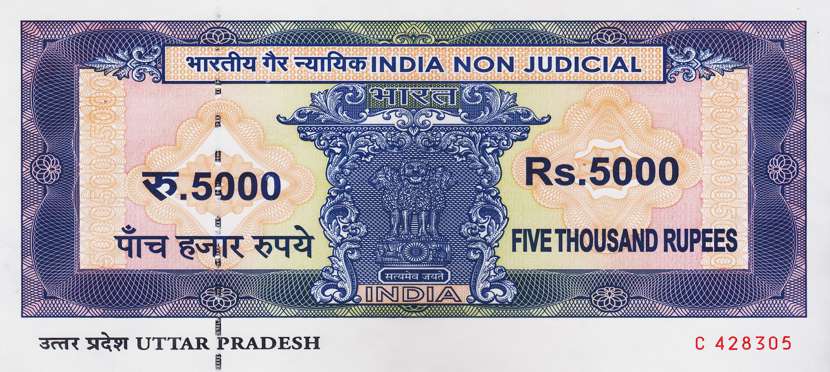
Yes, stamp duty is applicable based on the property value and state laws (e.g., 1-5% typically). Get it adjudicated from the stamp office before execution to ensure compliance.
Can I download and customize the Family Arrangement agreement?→
Yes, download the editable template in Word or PDF format. Customize it to suit your family's specifics, then print, sign, and get it stamped/registered as required.
When and who should use a Family Arrangement deed?→
Use it for amicable partition of ancestral property, settling inheritance claims among siblings or relatives. Ideal for joint families or HUFs in India seeking to avoid court disputes.
Is registration mandatory for a Family Arrangement in India?→
Registration is not compulsory for validity between parties but recommended under the Registration Act, 1908, for protection against outsiders. Visit the sub-registrar's office post-stamping.