About this agreement
Important Guidelines
Common Mistakes to Avoid:
Supporting Documents
For a Deed of Family Arrangement involving division of ancestral properties, HUF assets and family-run businesses among heirs of Late Shri XYZ, parties must prepare identity, ownership and business records to support the allocations and retirements described.
Aadhaar / PAN / Passport copies of all parties
Required to establish identity and relationship of each member in the ABC, GHI and MNO groups.
When: before signing
Title deeds, sale deeds or inheritance documents for properties in Annexure A
Needed to prove ownership and enable transfer or exclusive vesting of immovable properties to specific groups.
When: before signing
Partnership deeds, registration certificates and capital account statements of M/s. Laxmi Furniture, Saraswati Works and Vidya Furniture
Support the retirement of PQR and MNO and settlement of their capital accounts as stated in clauses 5–7.
When: before signing
HUF records or earlier partition deeds of XYZ H.U.F.
Establish karta status and facilitate the notional partition and dissolution recorded in clause 9.
When: before signing
Death certificate of Late Shri XYZ
Confirms the family status and origin of the joint properties and HUF mentioned in the recitals.
When: before signing
Insurance policy documents standing in individual names
Verify that each policy belongs to the respective individual as stated in clause 8.
When: before signing
Encumbrance certificate and latest property tax receipts for immovable properties
Confirm clear title and absence of undisclosed liabilities before final allocation.
When: at registration
Frequently asked questions
What is a Deed of Family Arrangement?→
A Deed of Family Arrangement is a legal agreement in India used by family members to amicably settle disputes over property division, inheritance, or family assets without court intervention. It is binding and enforceable upon proper execution and registration.
Is a Deed of Family Arrangement legally valid in India?→
Yes, it is legally valid in India under the Indian Registration Act, 1908, if executed on appropriate stamp paper and registered with the Sub-Registrar's office. It ensures family harmony and prevents future litigation.
Do I need to pay stamp duty on a Deed of Family Arrangement?→
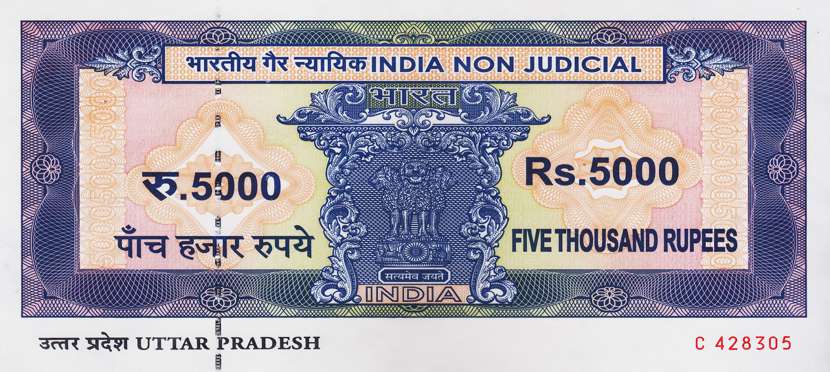
Yes, stamp duty is required in India, varying by state (typically 2-5% of the property value or a fixed amount). Check state-specific rates and pay before registration for legal validity.
In what format can I download the Deed of Family Arrangement?→
You can download the Deed of Family Arrangement in editable Word (.docx) and non-editable PDF formats, suitable for customization and professional printing in India.
Can I customize the Deed of Family Arrangement template?→
Yes, the template is fully customizable. Edit details like parties' names, property descriptions, and shares in the Word version before stamping and registering for your specific needs in India.
When and who should use a Deed of Family Arrangement?→
Use it when family members in India agree to partition ancestral or joint family property amicably. Ideal for heirs, siblings, or relatives avoiding court to divide assets legally and peacefully.