About this agreement
Title: Agreement for Exchange Format
Are you looking for a professional Agreement for Exchange Format to secure your barter transactions in India? Our customizable legal template in PDF or Word format is ready to download and use, ensuring your exchanges of goods, properties, or services are legally binding and hassle-free.
An Agreement for Exchange Format is a crucial legal document that outlines the terms for swapping assets, properties, or services without monetary payment. Commonly used in real estate for property swaps, business barter deals, or even personal exchanges, this format helps prevent disputes by clearly defining obligations, timelines, and conditions. In India, under the Indian Contract Act, 1872, such agreements must be voluntary, with lawful consideration, making a well-drafted template essential for enforceability in courts.
Why is an Agreement for Exchange Format Important?
In today's economy, bartering is on the rise as an alternative to cash transactions, especially amid financial constraints. An Agreement for Exchange Format provides legal protection by:
- Preventing misunderstandings over the value or quality of exchanged items.
- Establishing clear timelines for transfer of possession.
- Safeguarding against default or breach through penalty clauses.
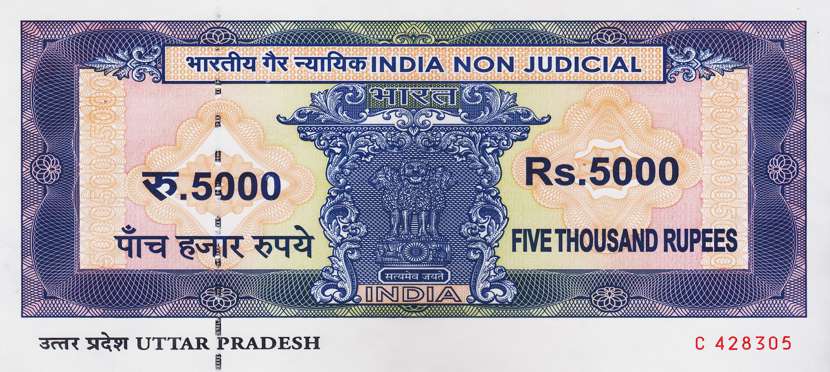
- Ensuring compliance with Indian stamp duty laws and registration requirements for immovable properties.
Without a proper document, exchanges can lead to litigation, financial losses, or invalidation. Our ready-to-use Agreement for Exchange sample minimizes these risks, offering peace of mind for individuals and businesses alike.
Key Elements of an Agreement for Exchange Format
A comprehensive Agreement for Exchange Format should include:
- Parties Involved: Full details of the exchanger and counter-exchanger, including addresses and identification.
- Description of Items/Services: Detailed specs, condition, value assessment, and any warranties.
- Terms of Exchange: Mode, date, and place of exchange; responsibilities for taxes, duties, or repairs.
- Consideration and Valuation: Mutual agreement on equivalent value to satisfy contract law.
- Warranties and Representations: Declarations of ownership, no encumbrances, and good title.
- Conditions Precedent: Inspections, approvals, or third-party consents.
- Default and Remedies: Consequences of non-performance, including termination or damages.
- Governing Law and Dispute Resolution: Jurisdiction (e.g., Indian courts) and arbitration clauses.
- Signatures and Witnesses: For legal validity.
Our customizable Agreement for Exchange template incorporates all these, tailored for Indian legal standards.
Who Should Use This Agreement for Exchange Sample?
This versatile Agreement for Exchange Format is ideal for:
- Real Estate Developers: Swapping plots or buildings.
- Businesses: Bartering products, services, or inventory.
- Individuals: Exchanging vehicles, electronics, or household goods.
- Farmers/Agri-business: Trading crops, livestock, or land.
Whether for civil exchanges, commercial deals, or family arrangements, it's a must-have in India.
Download Your Agreement for Exchange Format Now!
Get instant access to our free downloadable Agreement for Exchange Format in PDF or editable Word format. Customize it with our AI tool or seek legal help for complex needs. Perfect for quick, ready-to-use setups compliant with court and company requirements.
Note: While this legal template for Agreement for Exchange is professionally drafted, it's recommended to consult a lawyer for specific advice. Customize as per your situation. Explore related formats like Sale Deed, Partnership Agreement, or Property Exchange Deed for more options.
(Word count: 528)
Important Guidelines
Guideline for Drafting an Agreement for Exchange:
Introduction: Clearly state the purpose of the document, which is to formalize an agreement for the exchange of properties, assets, or goods between two parties.
Parties: Identify and accurately name all parties involved in the exchange. Include their full names, addresses, and contact details.
Exchange Details: Describe the properties, assets, or goods being exchanged in detail. Specify their condition, quantity, quality, and any relevant specifications.
Exchange Terms: Outline the terms and conditions of the exchange, including the value, monetary considerations (if any), and any additional terms or obligations agreed upon by both parties.
Delivery and Possession: Specify when and how possession of the exchanged items will be transferred and any conditions associated with this transfer.
Representations and Warranties: Include representations and warranties regarding the items being exchanged, ensuring that both parties are aware of any potential issues or liabilities.
Legal Compliance: Ensure strict adherence to all local laws, regulations, and any other legal requirements governing exchanges.
Payment: If any monetary considerations are involved, clearly outline the payment terms, schedule, and method of payment.
Dispute Resolution: Establish a mechanism for resolving disputes that may arise during or after the exchange.
Witnesses and Signatures: Include witnesses who can attest to the authenticity of the agreement. Obtain signatures from all parties involved to confirm their consent and understanding of the terms.
Legal Review: Before finalizing the document, consult with a legal expert to ensure it complies with all relevant laws and regulations.
Common Mistakes to Avoid:
Inadequate Documentation: Ensure that the agreement is comprehensive and accurately reflects the terms agreed upon by both parties.
Non-Compliance with Laws: Failure to adhere to local laws and regulations can lead to legal issues and challenges to the exchange.
Ambiguity: Avoid vague language or unclear terms in the agreement that may lead to misinterpretation.
Failure to Include Necessary Details: Be thorough in describing the items being exchanged, leaving no room for confusion.
Ignoring Legal Review: Skipping the legal review process may result in errors or non-compliance with legal requirements.
An Agreement for Exchange is used in various contexts, including real estate transactions, asset swaps, barter arrangements, and trade deals. Adhering to these guidelines and avoiding common mistakes ensures that the exchange process is legally sound and protects the interests of all parties involved, helping to prevent disputes and legal complications in the future.
Supporting Documents
Frequently asked questions
What is an Agreement for Exchange?→
An Agreement for Exchange is a legal document in India that outlines the terms for mutually swapping immovable properties between two parties, governed by Section 118 of the Transfer of Property Act, 1882.
Is this Agreement for Exchange legally valid in India?→
Yes, it is legally enforceable across India when drafted correctly, executed on appropriate stamp paper, and registered if required by state laws.
Do I need to pay stamp duty on an Agreement for Exchange?→
Yes, stamp duty is applicable based on the market value of the properties exchanged; rates vary by state—get it adjudicated from the local collectorate before execution.
In what format can I download the Agreement for Exchange?→
Download the Agreement for Exchange in editable Word or print-ready PDF format for immediate use in your legal transactions in India.
Can I customize or edit the Agreement for Exchange template?→
Yes, this customizable legal agreement allows editing of party details, property descriptions, consideration, and clauses to fit your specific exchange needs in India.
When and who should use the Agreement for Exchange?→
Property owners in India should use it before finalizing an exchange deed, to record mutual consent, timelines, and obligations for a smooth property swap.