About this agreement
Affidavit Required by the Sub Registrar Format
Are you preparing for property registration in India and need a reliable Affidavit Required by the Sub Registrar Format? This essential legal document ensures smooth verification processes at the sub-registrar's office, saving you time and avoiding rejections.
Why is the Affidavit Required by the Sub Registrar Format Important?
In India, under the Registration Act, 1908, sub-registrars mandate specific affidavits for property transactions like sale deeds, gift deeds, and mortgages. The Affidavit Required by the Sub Registrar Format serves as a sworn statement by the executant (seller or transferor) confirming key facts such as marital status, no pending litigations, clear title, and absence of encumbrances. It's crucial for preventing fraud, establishing ownership authenticity, and complying with state-specific rules in places like Maharashtra, Karnataka, or Delhi. Without this properly formatted affidavit, your registration can be delayed or rejected, leading to costly rework. Our ready-to-use Affidavit Required by the Sub Registrar Format aligns with court and sub-registrar requirements, making it a must-have for hassle-free dealings.
Key Elements of the Affidavit Required by the Sub Registrar Sample
A professional Affidavit Required by the Sub Registrar Format includes these vital sections:
- Deponent's Details: Full name, age, address, and relationship to the property.
- Property Description: Precise details like survey number, area, boundaries, and location.
- Declarations: Statements on single status (unmarried/widow), no minors involved, no liens or claims.
- No Objection Confirmation: Affirmation from family members if applicable.
- Verification Clause: Signed before a notary or oath commissioner with date and place.
- Annexures: Supporting documents like ID proofs or title deeds.
This structure ensures completeness, reducing scrutiny at the sub-registrar office.
Who Should Use the Affidavit Required by the Sub Registrar Format?
This legal template is ideal for:
- Property sellers and buyers during sale agreements.
- Gift deed executants transferring assets to family.
- Mortgage applicants verifying property status.
- NRIs handling Indian real estate registrations.
- Businesses for commercial property transfers.
Common use cases span residential sales, agricultural land deals, and urban flats across India. Whether in Mumbai, Bangalore, or smaller towns, this customizable Affidavit Required by the Sub Registrar Sample meets diverse sub-registrar demands.
Download Your Customizable Affidavit Required by the Sub Registrar Format Today
Get instant access to our premium Affidavit Required by the Sub Registrar Format in PDF or Word format. Ready to use and fully editable, it's designed for quick customization with AI tools or legal experts. Paid options unlock advanced features like auto-fill and multi-language support. Download now for a seamless registration process!
Final Note on Customization and Legal Advice
While our Affidavit Required by the Sub Registrar Format is a ready-to-use legal template, tailor it to your specific state rules (e.g., Tamil Nadu or Gujarat variations). Always consult a local lawyer for personalized advice, as laws evolve. Explore related downloads like Sale Deed Format, No Objection Certificate Sample, or other affidavit formats India for comprehensive property documentation. Ensure compliance and peace of mind with our trusted resources.
Important Guidelines
Guideline for Drafting an Affidavit Required by the Sub-Registrar:
Usage: An Affidavit Required by the Sub-Registrar is used in the context of property transactions, particularly when individuals or entities are involved in the buying or selling of real estate. The sub-registrar is responsible for registering property transactions, and this affidavit may be required as part of the documentation process. It typically contains sworn statements and declarations related to the property and the transaction. Here's a concise guideline:
Header: Include the sub-registrar's office details, property details, and parties' names. Label it as an "Affidavit Required by the Sub-Registrar."
Introduction: Begin with a statement affirming that the affidavit is made voluntarily, truthfully, and under oath as required by the sub-registrar's office.
Property Description: Provide a detailed description of the property involved in the transaction, including its location, boundaries, and relevant survey or plot numbers.
Transaction Details: Describe the nature of the property transaction, whether it's a sale, gift, lease, or other type of transfer.
Seller and Buyer Information: Include the names, addresses, and contact details of the seller(s) and buyer(s) involved in the transaction.
Consideration Amount: Specify the consideration amount or value associated with the property transaction.
Legal Declarations: Include declarations confirming the legality of the transaction, the rightful ownership of the property, and the absence of any encumbrances or disputes.
Tax Compliance: Declare that all applicable taxes, duties, and fees associated with the transaction have been or will be duly paid.
Sworn Statement: Confirm that the information provided is true, accurate, and complete to the best of the affiant's knowledge and belief.
Signature: Include spaces for the affiant's signature, date, and a notary public's acknowledgment.
Common Mistakes to Avoid:
Inaccurate Property Details: Ensure all property details are accurate and consistent with existing records. Incomplete Information: Include all necessary information about the transaction, parties, and consideration amount. Failure to Declare Encumbrances: Be transparent about any existing encumbrances, disputes, or legal issues related to the property. Lack of Notarization: Always have the affidavit notarized to lend it legal validity. False Statements: Never provide false information in the affidavit, as it can have legal consequences. Drafting an Affidavit Required by the Sub-Registrar is a crucial step in property transactions to ensure the legality and proper registration of the transaction. The affidavit should be prepared accurately, with transparency and adherence to legal formalities, to facilitate the property registration process. Consulting with a real estate attorney or a legal expert experienced in property transactions is advisable to ensure compliance with local property laws and regulations.
Supporting Documents
For this Sub-Registrar affidavit supporting registration of a conveyance deed under the Urban Land (Ceiling & Regulation) Act, 1976, parties need identity proofs, ownership documents, and ULCRA-related records to substantiate the declarations made.
Aadhaar / PAN / Passport copies of transferors and transferees
To verify the identity and Indian inhabitant status of the deponents swearing the affidavit.
When: Before signing the affidavit
Previous title deed or conveyance document
To prove ownership and support the schedule and transaction details referenced in Part-I and Part-II.
When: Before signing and at registration
Property tax receipts / municipal records / survey extracts
To corroborate property description and confirm it is not surplus vacant land under ULCRA.
When: At registration
Encumbrance certificate
To demonstrate absence of encumbrances that could affect the conveyance.
When: At registration
ULCRA Section 6(1) statement or related filings (if any)
To reference the landholder's declaration mentioned in the affidavit regarding surplus land determination.
When: Before signing if applicable
Stamp paper / e-stamp receipt for the affidavit
To evidence proper stamping as required for the notarized affidavit.
When: Before notarization
Frequently asked questions
What is the Affidavit Required by the Sub Registrar?→
This is a standard legal affidavit in India used during property or document registration to declare facts like clear title, marital status, or no encumbrances, as required by the Sub-Registrar's office.
Is this affidavit format legally valid in India?→
Yes, it complies with Indian registration laws under the Registration Act, 1908. Confirm with your local Sub-Registrar for any state-specific variations.
Do I need to pay stamp duty on this affidavit?→
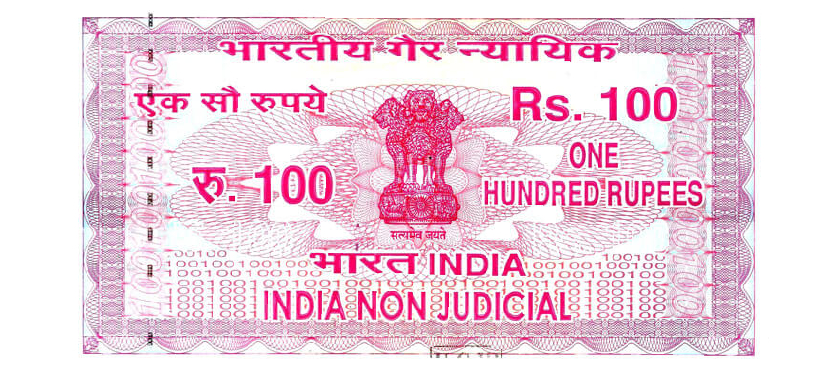
Affidavits in India require nominal stamp duty (Rs. 10-100 based on state). Print on non-judicial stamp paper or use e-stamping before execution.
In what format can I download this affidavit?→
Available for download in editable Word (.docx) and PDF formats. Use Word for customization and PDF for printing.
Can I customize or edit this affidavit template?→
Yes, it's fully customizable. Edit details like names, addresses, and property info, but retain legal structure and get it notarized.
When and who should use the Affidavit Required by the Sub Registrar?→
Property buyers, sellers, or parties registering documents in India use it when the Sub-Registrar mandates it to verify ownership or other declarations.