About this agreement
Indemnity Bond Format for Claiming Death-cum-Retirement Gratuity from Railway Department
Struggling to claim Death-cum-Retirement Gratuity from the Railway Department after a family member's passing? Our professionally drafted Indemnity Bond Format simplifies the process, ensuring quick and hassle-free release of funds in India.
What is an Indemnity Bond for Railway Gratuity Claim?
An Indemnity Bond for the Purpose to Claim Death-cum-Retirement Gratuity Money from the Concerned Authorities of Railway Department is a crucial legal document required by Indian Railways. It is submitted by the claimant (usually a nominee or legal heir) to indemnify the railway authorities against any future legal claims or liabilities when releasing the gratuity amount. This Indemnity Bond Format is mandatory in cases where the original nominee is deceased, legal heirs are not traceable, or there are disputes over succession, preventing delays in pension-like benefits.
In the context of Indian railway pension rules, this bond protects the department from potential lawsuits, allowing them to disburse the Death-cum-Retirement Gratuity (DCRG) efficiently. It's a standard requirement under railway service regulations, making it indispensable for families seeking financial support post-retirement or demise.
Why is this Indemnity Bond Format Important?
Railway authorities demand this bond to mitigate risks associated with unclaimed or disputed gratuity funds. Without it, claims can be stalled for months or years, leading to financial hardship for dependents. Key benefits include:
- Legal Compliance: Meets specific railway department guidelines for DCRG claims.
- Speedy Processing: Expedites approval and fund release.
- Risk Protection: Shields claimants and authorities from future disputes.
- Cost-Effective: Avoids lengthy court proceedings or hiring lawyers for drafting.
Using a ready-to-use Indemnity Bond Format ensures accuracy, saving time and reducing errors that could invalidate your claim.
Key Elements of the Indemnity Bond Format
A comprehensive Indemnity Bond Format for railway gratuity claims should include:
- Details of the Deceased Employee: Name, PF number, designation, date of death/retirement.
- Claimant Information: Full name, relationship to deceased, address, and contact details.
- Gratuity Amount: Exact sum claimed with reference to sanction order.
- Indemnity Clause: Solemn promise to hold authorities harmless against third-party claims.
- Sureties: Names and details of two sureties (often required) with their worthiness statements.
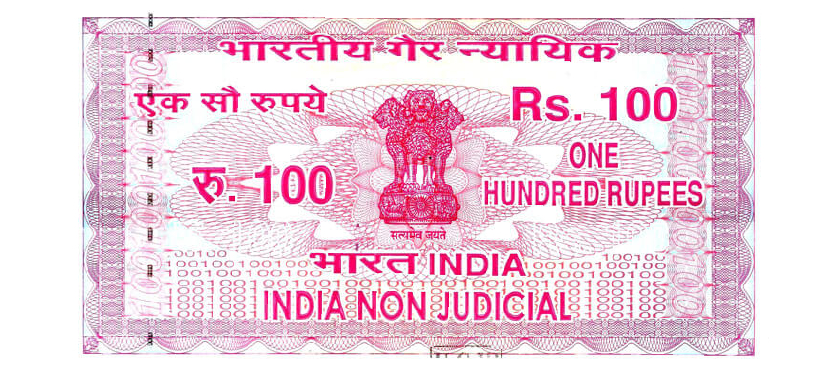
- Execution Details: Date, place, signatures, witnesses, and stamp paper value (typically Rs. 100-500 in India).
- Affidavit Integration: Often combined with a supporting affidavit for authenticity.
Our legal template covers all these essentials in PDF/Word format, fully compliant with Indian railway norms.
Who Should Use This Indemnity Bond Format?
This Indemnity Bond Format is ideal for:
- Nominees or legal heirs of deceased railway employees/pensioners.
- Spouses, children, or siblings claiming DCRG in civil servant family contexts.
- Cases involving missing death certificates, disputed nominations, or multiple claimants. Common use cases include post-retirement benefits for Group A/B/C/D railway staff, ensuring smooth transfer in government sectors across India.
Download Your Ready-to-Use Indemnity Bond Format Today
Get instant access to our customizable Indemnity Bond Format for Railway Gratuity Claim in PDF or Word format. Perfect for free preview or premium download with AI-assisted customization options. Tailor it to your specifics and submit confidently to railway authorities.
Important Note
While this Indemnity Bond Sample is designed by legal experts and ready for use in India, it's recommended to consult a local lawyer for personalized advice. Not legal advice—customize as per your case. Explore related templates like Pension Claim Forms, Succession Certificates, or Railway Affidavit Formats for comprehensive support.
(Word count: 528)
Important Guidelines
Guidelines for Drafting Indemnity Bond for Claiming Death-cum-Retirement Gratuity Money from Railway Department:
Purpose and Usage: An Indemnity Bond for claiming Death-cum-Retirement Gratuity Money from the Railway Department is used when a beneficiary, often the legal heir or nominee, intends to claim gratuity benefits due to the death or retirement of a railway employee. This document indemnifies the concerned authorities against any future claims or liabilities, ensuring a smooth and lawful release of the gratuity amount.
Key Drafting Considerations:
Identification of Parties: Clearly identify the beneficiary (indemnifier) and the Railway Department (indemnitee), providing their full legal names, addresses, and relevant details.
Details of the Employee: Explicitly state the details of the deceased or retired railway employee, including their name, designation, and relevant employment information.
Gratuity Amount: Clearly specify the gratuity amount being claimed and any additional details related to the calculation or disbursement.
Indemnity Clause: Articulate the indemnity clause, wherein the beneficiary commits to indemnify the Railway Department against any future claims or disputes arising from the gratuity payment.
Notarization and Signature: Ensure the indemnity bond is properly notarized for legal validity. The beneficiary must sign the document before a notary public.
Common Mistakes to Avoid:
Ambiguous Language: Avoid using ambiguous language. Clearly articulate the terms of indemnification to prevent misunderstandings or disputes.
Inadequate Employee Details: Provide accurate and detailed information about the deceased or retired employee. Incomplete details may lead to processing delays.
Failure to Notarize: Neglecting proper notarization may compromise the legal validity of the indemnity bond. Ensure the document is notarized for authenticity.
Lack of Specificity: Be specific about the indemnity terms and the circumstances triggering indemnification. Vague language may lead to complications.
Not Consulting Railway Regulations: Ensure the indemnity bond aligns with the specific regulations and requirements of the Railway Department. Failure to do so may result in non-compliance and processing issues.
Drafting this indemnity bond demands accuracy and adherence to legal standards to facilitate the gratuity claim process. Following these guidelines ensures a well-crafted document that safeguards both the beneficiary and the Railway Department during the release of death-cum-retirement gratuity money.
Supporting Documents
Frequently asked questions
What is an Indemnity Bond for claiming Death-cum-Retirement Gratuity from the Railway Department?→
This legal agreement in India is used by legal heirs or nominees to claim pending death-cum-retirement gratuity from railway authorities, indemnifying them against future disputes or claims.
Is this Indemnity Bond legally valid in India?→
Yes, it is legally valid across India when executed on proper stamp paper, signed by the claimant and witnesses, and submitted as per railway department guidelines.
Do I need to pay stamp duty on this Indemnity Bond?→
Yes, stamp duty applies as per the Indian Stamp Act, typically Rs. 100-500 depending on the state. Affix appropriate stamps before signing.
In what format can I download this Indemnity Bond?→
Download this customizable template in PDF for printing or editable Word format for modifications, suitable for railway claims in India.
Can I edit or customize this Indemnity Bond template?→
Yes, the Word version is fully editable. Customize names, dates, amounts, and details to fit your specific railway gratuity claim.
Who should use this Indemnity Bond and when?→
Legal heirs or nominees of deceased railway employees use it when claiming death-cum-retirement gratuity money from concerned railway authorities in India.