About this agreement
DEED OF RE-CONVEYANCE OF MORTGAGED PROPERTY Format
Are you looking to reclaim full ownership of your mortgaged property after repaying your loan? A DEED OF RE-CONVEYANCE OF MORTGAGED PROPERTY Format is the essential legal document that facilitates this process seamlessly in India. This ready-to-use template ensures compliance with Indian property laws, allowing you to transfer the property title back from the lender to the borrower without complications.
What is a Deed of Re-conveyance of Mortgaged Property?
A Deed of Re-conveyance is a legal instrument executed when a borrower fully repays the mortgage loan, enabling the lender (mortgagee) to reconvey the mortgaged property back to the original owner (mortgagor). Under the Transfer of Property Act, 1882, particularly Sections 58 to 104, this deed is crucial for discharging the mortgage and restoring clear title to the property. It's commonly used in home loans, commercial property financing, and land mortgages across India.
This DEED OF RE-CONVEYANCE OF MORTGAGED PROPERTY Format is available in customizable PDF and Word formats, making it perfect for quick downloads and edits to suit your specific needs.
Why is it Important?
Clearing the mortgage lien is vital to avoid future disputes over property ownership. Without a properly executed deed, the lender retains legal rights over the property, which can hinder sales, transfers, or further financing. This document provides:
- Legal Protection: Serves as proof of loan repayment and mortgage discharge.
- Title Clarity: Ensures the property registry reflects the borrower's full ownership.
- Compliance with Law: Meets requirements under the Indian Registration Act, 1908, mandating registration for validity.
- Dispute Prevention: Protects against claims by lenders or third parties.
In India's real estate market, where property transactions are heavily regulated, using a professional DEED OF RE-CONVEYANCE OF MORTGAGED PROPERTY Sample minimizes risks and saves time.
Key Elements of the Deed of Re-conveyance Format
A comprehensive DEED OF RE-CONVEYANCE OF MORTGAGED PROPERTY Format includes:
- Parties Involved: Details of mortgagor and mortgagee, including names, addresses, and identifiers.
- Property Description: Precise details like survey number, boundaries, area, and location.
- Recitals: Background of the original mortgage deed, loan amount, repayment confirmation.
- Consideration: Statement of full repayment (often nominal, like Rs. 100/-).
- Operative Clause: Clear reconveyance of title and release of mortgage rights.
- Covenants: Lender's warranties on no further claims.
- Execution and Witnesses: Signatures, dates, and two witnesses.
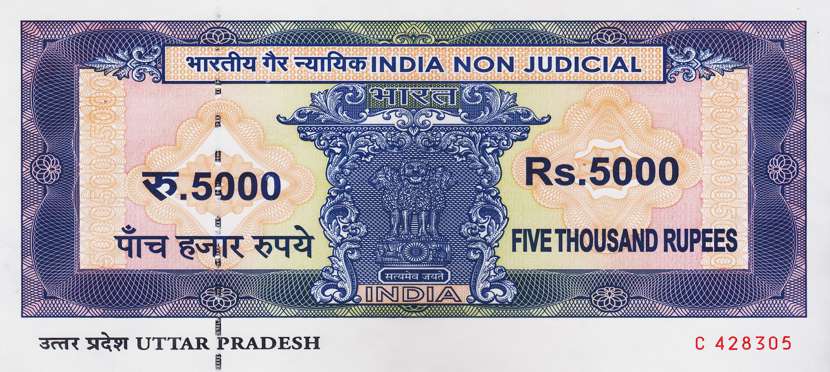
- Stamp Duty and Registration: Noted provisions as per state laws.
Our legal template is drafted by experts to include all these sections, ensuring it's court-ready.
Who Should Use This Format?
This DEED OF RE-CONVEYANCE OF MORTGAGED PROPERTY Format is ideal for:
- Homeowners repaying housing loans from banks or NBFCs.
- Businesses settling commercial property mortgages.
- Real estate developers clearing project financing.
- Individuals in civil disputes involving mortgaged assets.
Whether in Mumbai, Delhi, Bangalore, or any part of India, this customizable sample meets pan-India legal standards.
Download Your Ready-to-Use Template Today!
Get instant access to our free download option for a basic version or upgrade to premium paid plans for fully editable PDF/Word formats with AI customization. Tailor it to your case in minutes—no legal expertise required!
Important Note
While this DEED OF RE-CONVEYANCE OF MORTGAGED PROPERTY Format is a reliable starting point, consult a qualified lawyer for personalized advice. Ensure proper stamping and registration at the local sub-registrar office. Explore related templates like Mortgage Deed, Sale Deed, or Gift Deed for more property documents.
Keywords: Deed of Re-conveyance sample India, mortgaged property reconveyance template, free legal format download, customizable Word PDF.
Important Guidelines
Title: Guideline for Drafting a Deed of Re-Conveyance of Mortgaged Property
Usage and Purpose: A Deed of Re-Conveyance of Mortgaged Property is a legal document commonly used in real estate transactions, particularly in the United States and similar jurisdictions. It is employed when a borrower has repaid a mortgage loan in full, and the lender, typically a trustee or mortgagee, needs to release their claim on the property. This deed officially transfers the property title back to the borrower, free of any mortgage lien.
Common Mistakes to Avoid:
Incomplete or Inaccurate Information: Ensure all parties' names, property details, mortgage loan details, and terms are accurately and comprehensively recorded. Errors can lead to disputes and legal complications.
Ambiguity in Terms: Clearly define the terms and conditions of the re-conveyance, including the property description, the release of the mortgage lien, and the date of transfer, to avoid misunderstandings.
Neglecting Legal Advice: Drafting a Deed of Re-Conveyance can be legally complex. Consult an attorney to ensure compliance with local laws, proper execution, and protection of your interests.
Improper Execution: Adhere to legal requirements for signing, witnessing, and notarization to ensure the deed's legal validity.
Failure to Notify Relevant Parties: Notify all relevant parties, including the borrower, any guarantors, and the local recorder of deeds, about the re-conveyance to avoid misunderstandings and delays.
Not Updating Property Records: Record the Deed of Re-Conveyance with the appropriate government office to clear the mortgage lien officially.
Failure to Keep Records: Maintain copies of the executed deed and all supporting documents for your records and future reference.
Not Informing the Lender: Ensure the lender or mortgagee is aware of the re-conveyance and cooperates in releasing the mortgage lien.
By adhering to these guidelines and avoiding common mistakes, parties involved in drafting a Deed of Re-Conveyance of Mortgaged Property can establish a legally recognized document that accurately reflects the release of the mortgage lien and the transfer of property title back to the borrower. This helps reduce the risk of disputes or challenges in the future.
Supporting Documents
For a Deed of Re-Conveyance of Mortgaged Property, parties typically need to prepare documents proving the original mortgage, its full repayment, ownership of the property, and authority of the signatories before execution and registration.
Original Deed of Mortgage
To verify the mortgage details, serial number, property, and parties as recited in the re-conveyance deed.
When: before signing
Proof of full repayment
Bank statements, receipts, or acknowledgments showing the mortgage debt and interest have been paid in full.
When: before signing
Aadhaar and PAN of individual Mortgagee
Identity and address proof for the Mortgagee (ABC) to establish execution capacity.
When: at registration
Certificate of Incorporation and Memorandum & Articles of Association
To confirm the legal existence and authority of the company Mortgagor (XYZ HOTELS LTD.).
When: before signing
Board resolution of the company Mortgagor
Authorising acceptance of the re-conveyance and execution of related documents.
When: before signing
Title deeds of the mortgaged property
Original title documents to be returned and verified as mentioned in the deed.
When: at execution
Property tax receipts and mutation records
Evidence of current ownership and tax status of the property described in the Schedule.
When: before registration
Stamp duty and registration fee payment proof
Receipts for stamp paper and registration charges applicable to the re-conveyance deed.
When: at registration
Frequently asked questions
What is a Deed of Re-conveyance of Mortgaged Property?→
A Deed of Re-conveyance is a legal document in India under the Transfer of Property Act, 1882, where the mortgagee (lender) reconveys the mortgaged property back to the mortgagor (borrower) upon full repayment of the loan, releasing all liens.
Is this Deed of Re-conveyance valid across India?→
Yes, this deed is legally valid in India when properly executed, attested, and registered as per state laws, ensuring clear title transfer for the property owner.
Do I need to pay stamp duty on the Deed of Re-conveyance?→
Yes, stamp duty is required under the Indian Stamp Act, varying by state and property value; consult local sub-registrar for exact rates applicable in your jurisdiction.
In what format can I download this Deed of Re-conveyance?→
Download the Deed in editable Word (.docx) or non-editable PDF formats for convenience, suitable for immediate use or customization.
Can I edit or customize this Deed of Re-conveyance agreement?→
Yes, the template is fully customizable; modify clauses for parties' names, property details, repayment confirmation, and other specifics before execution in India.
Who should use the Deed of Re-conveyance of Mortgaged Property?→
Property owners (mortgagors) and lenders (mortgagees) in India should use it after loan repayment to formally release the mortgage and restore clear title to the property.