Title:
Deed of Lease of Land for Operating Business by the Lease Holder Format
Need a professional Deed of Lease of Land for Operating Business by the Lease Holder Format to kickstart your business venture on leased land? Download our ready-to-use, customizable template in PDF or Word format today – perfect for India-specific legal compliance.
A Deed of Lease of Land for Operating Business by the Lease Holder Format is a comprehensive legal document that formalizes the agreement between a landowner (lessor) and a business operator (lessee) for leasing land exclusively for commercial activities. Governed by the Transfer of Property Act, 1882, and the Indian Registration Act, 1908, this deed ensures clarity on rights, obligations, and terms, making it indispensable for entrepreneurs setting up shops, warehouses, factories, or other business operations on leased property.
Why is a Deed of Lease of Land Format Important?
In India's dynamic real estate market, a well-drafted Deed of Lease of Land for Operating Business by the Lease Holder Format safeguards both parties from disputes. It legally binds the lessee to use the land solely for approved business purposes, preventing misuse that could lead to eviction or penalties. Key benefits include:
- Legal Protection: Mandatory registration for leases over 11 months ensures enforceability in courts.
- Financial Security: Outlines rent escalation, security deposits, and payment schedules to avoid defaults.
- Business Continuity: Specifies renewal options and termination conditions, allowing seamless operations.
- Compliance: Meets state-specific stamp duty requirements and urban land ceiling laws.
Without a proper Deed of Lease Format, lessees risk arbitrary rent hikes or premature eviction, while lessors may face unauthorized sub-leasing or property damage. Our template minimizes these risks with India-compliant clauses.
Key Elements of the Deed of Lease of Land for Operating Business Format
A standard Deed of Lease of Land for Operating Business by the Lease Holder Format includes:
- Parties Involved: Full details of lessor and lessee, including PAN, Aadhaar, and addresses.
- Property Description: Precise location, boundaries, area (in sq. meters/acres), and survey numbers.
- Lease Term: Duration (e.g., 5-11 years to avoid registration hassles) with renewal clauses.
- Rent and Deposits: Base rent, escalation (5-10% annually), security deposit (3-6 months' rent), and mode of payment.
- Permitted Use: Restricted to business operations like retail, manufacturing, or storage – no residential or illegal activities.
- Maintenance and Repairs: Lessee's responsibility for upkeep, lessor's for structural integrity.
- Insurance and Taxes: Obligations for property insurance and payment of municipal taxes, GST on rent.
- Restrictions: No alterations without consent, no sub-leasing without permission.
- Termination and Dispute Resolution: Notice periods, grounds for eviction, arbitration clause.
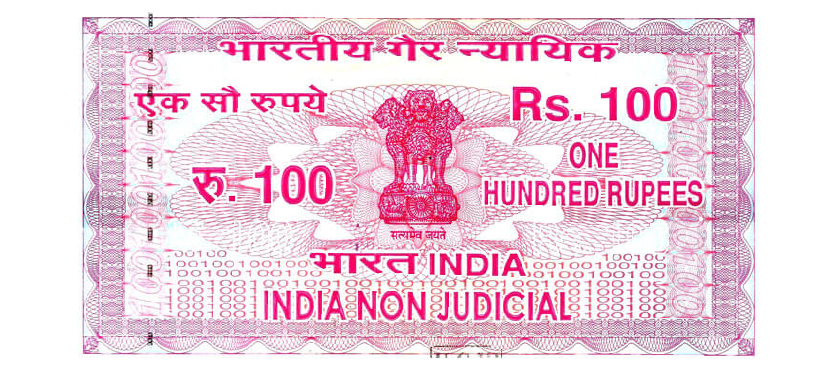
- Signatures and Witnesses: Executed on stamp paper, attested by two witnesses, and registered.
These elements ensure the Deed of Lease Format is robust and court-ready.
Who Should Use This Deed of Lease of Land Format?
This template is ideal for:
- Small business owners leasing land for shops or kiosks.
- Manufacturers setting up factories on agricultural or industrial land.
- Startups needing affordable space for warehouses or godowns.
- Real estate investors offering land for commercial leases in urban or rural India.
Common use cases include retail outlets in malls, food processing units, or logistics hubs under model tenancy laws.
Download Your Customizable Deed of Lease Format Now!
Get instant access to our free downloadable Deed of Lease of Land for Operating Business by the Lease Holder Format in editable Word or print-ready PDF. Customize it effortlessly with our AI tools or seek legal help for personalized clauses. Perfect for quick, hassle-free business setups!
Important Note: While our Deed of Lease Format is designed by legal experts and ready-to-use, it is a sample template. Tailor it to your specific needs, calculate appropriate stamp duty, and register at the sub-registrar's office. Always consult a qualified lawyer for advice – this is not a substitute for professional legal services. Explore related templates like Commercial Lease Agreement, Rent Agreement Format, or Land Lease Deed Sample for more options.
Clear Identification: Clearly identify both the lessor and the lessee, providing their full legal names, addresses, and contact information.
Property Description: Accurately describe the leased land, including its location, size, boundaries, and any relevant zoning or land-use regulations.
Lease Term: Define the duration of the lease, including the start and end dates, renewal options, and termination conditions.
Rent and Payment Terms: Clearly state the rent amount, payment schedule, due dates, and acceptable payment methods. Specify any rent escalation clauses.
Property Use: Detail the specific business activities allowed on the leased land and any restrictions or prohibitions.
Maintenance and Repairs: Outline responsibilities for property maintenance, repairs, and upkeep, including who bears the costs.
Insurance: Clarify insurance requirements for both parties, including liability and property insurance.
Default and Termination: Specify the conditions under which the lease can be terminated, including non-payment, breach of terms, or other violations.
Renewal and Extension: If applicable, outline the process for lease renewal or extension and any changes to terms or rent.
Legal Compliance: Ensure the lease complies with local zoning laws, environmental regulations, and other legal requirements.
Security Deposit: Specify if a security deposit is required and the conditions for its return or forfeiture.
Notarization: Depending on local regulations, consider having the document notarized for added legal validity.
Legal Counsel: Seek legal advice or have the lease reviewed by an attorney experienced in real estate transactions to ensure compliance with local laws and regulations.
By following these guidelines and avoiding common mistakes, both lessors and lessees can create a Deed of Lease of Land for Operating Business that clearly defines their rights and obligations, mitigates potential disputes, ensures legal compliance, and facilitates a successful business arrangement on the leased land.