About this agreement
Title: Deed of Exchange Format
Need a professional Deed of Exchange Format to legally swap properties without disputes? Our ready-to-use Deed of Exchange Format in India simplifies the process of exchanging immovable properties, ensuring compliance with the Transfer of Property Act, 1882.
What is a Deed of Exchange? A Deed of Exchange is a crucial legal document that facilitates the mutual transfer of ownership between two or more parties in exchange for equivalent value properties. Unlike a sale deed, it involves a barter-like transaction where each party gives up one property to acquire another. In India, Section 118 of the Transfer of Property Act governs such exchanges, making a properly drafted Deed of Exchange Format essential for validity and enforceability.
This format is widely used for residential, commercial, or agricultural land swaps, helping parties avoid cash transactions while achieving their real estate goals.
Why is a Deed of Exchange Format Important? Exchanging properties can be complex due to varying property values, legal titles, and tax implications. A standardized Deed of Exchange Format ensures:
- Legal Protection: Clearly defines rights, obligations, and terms to prevent future litigation.
- Stamp Duty Benefits: Often attracts lower stamp duty rates compared to outright sales in many states.
- Title Assurance: Includes warranties on clear title, possession handover, and encumbrance-free status.
- Tax Efficiency: Qualifies for capital gains tax treatments under Income Tax Act provisions.
Without a proper template, parties risk invalid transfers, disputes over possession, or penalties from revenue authorities. Our customizable Deed of Exchange Sample safeguards your interests.
Key Elements of a Deed of Exchange Format A comprehensive Deed of Exchange legal template in India must include:
- Parties' Details: Full names, addresses, and identification proofs of exchanger(s).
- Property Descriptions: Precise details like survey numbers, boundaries, area, and location for both exchanged properties.
- Recitals: Background of the exchange agreement, including mutual consent.
- Consideration Clause: Statement that properties are exchanged for equal value, without monetary payment (or nominal if any).
- Covenants and Warranties: Assurances on marketable title, no liens, peaceful possession.
- Possession and Handover: Timeline for vacating and handing over properties.
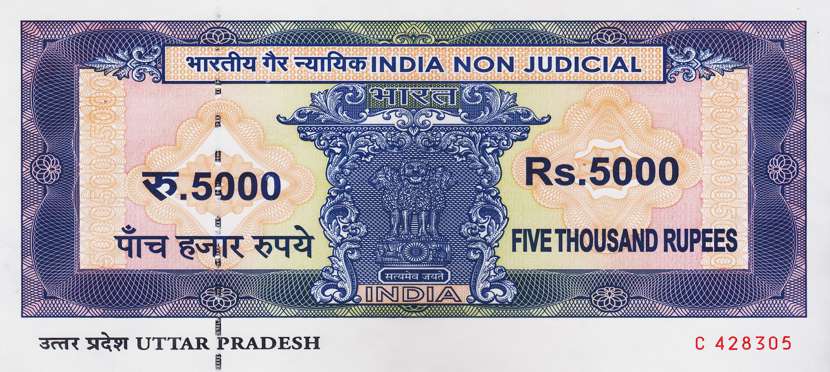
- Stamping and Registration: Mandatory clauses for execution on stamp paper and registration at Sub-Registrar office.
- Signatures and Witnesses: Executed by parties with two witnesses.
- Annexures: Site plans, title documents, and valuation reports.
Who Should Use a Deed of Exchange Sample?
- Property Owners: Individuals swapping homes or plots for better locations.
- Real Estate Investors: Businesses exchanging commercial spaces for expansion.
- Farmers/Agriculturists: Trading agricultural lands for irrigation or fertility benefits.
- NRIs: Non-residents streamlining overseas asset exchanges.
Common use cases include urban-rural swaps, family partitions, or corporate asset reallocations.
Download Free Deed of Exchange Format in PDF/Word Get instant access to our free downloadable Deed of Exchange Format in PDF or editable Word format. Fully customizable, it's ready to use for your specific needs. Tailor it with AI tools or seek legal help for personalization.
Disclaimer and Next Steps While this Deed of Exchange Template is designed to meet court and company requirements across India, consult a local lawyer for jurisdiction-specific advice. Not legal advice—customize responsibly.
Explore related legal templates: Sale Deed Format, Gift Deed Sample, Partition Deed India, Property Exchange Agreement. Boost your real estate transactions today! (Word count: 528)
Important Guidelines
A "Deed of Exchange" is a legal document used in real estate transactions to formalize the exchange of properties between two parties. It allows property owners to swap real estate assets, and it's typically used when both parties agree that the exchange is beneficial. Here are guidelines for drafting such a deed and
Common Mistakes to Avoid:
Usage:
Parties and Property Identification: Clearly identify the parties involved and describe the properties to be exchanged, including their addresses, boundaries, and any relevant details. Exchange Terms: Outline the terms and conditions of the exchange, including any additional payments or adjustments if the properties' values are not equal. Rights and Obligations: Specify the rights, responsibilities, and liabilities of each party regarding the properties. Title and Encumbrances: Ensure that both properties have clear titles and specify the handling of any encumbrances or existing liabilities. Legal Clauses: Include dispute resolution mechanisms, choice of law, and any specific terms or restrictions. Signatures: Ensure both parties sign the deed, often in the presence of witnesses and a notary public. Common Mistakes to Avoid:
Incomplete Information: Failing to provide comprehensive property details or essential terms. Unclear Language: Using ambiguous or confusing language that may lead to disputes or misinterpretation. Neglecting Legal Counsel: Not seeking legal advice when drafting or reviewing the deed. Improper Property Valuation: Not accurately assessing the properties' values before the exchange, potentially causing disputes. Ignoring Local Laws: Overlooking specific state or local real estate regulations and requirements. Lack of Signatures: Not obtaining proper signatures or failing to date the deed. Inadequate Encumbrance Handling: Not addressing existing liens, encumbrances, or claims properly. Failure to Clarify Future Obligations: Neglecting to define future responsibilities or liabilities post-exchange. A well-drafted Deed of Exchange is essential for facilitating a smooth property exchange while ensuring the rights and interests of both parties are protected. It's advisable to involve legal experts in the drafting process to avoid common mistakes and ensure the deed complies with all relevant laws and regulations.
Supporting Documents
Frequently asked questions
What is a Deed of Exchange?→
A Deed of Exchange is a legal agreement in India under the Transfer of Property Act, 1882, used for exchanging immovable properties between two parties. It facilitates mutual transfer of ownership upon registration.
Is a Deed of Exchange legally valid in India?→
Yes, a Deed of Exchange is legally valid across India if properly executed, stamped, and registered with the sub-registrar. Compliance with state laws ensures enforceability.
What stamp duty is required for a Deed of Exchange in India?→
Stamp duty on a Deed of Exchange is state-specific, generally based on the market value of the property with higher value. Check with your local authority for exact rates and payment process.
In what format can I download the Deed of Exchange?→
Download the Deed of Exchange template in editable Word (.docx) or PDF format. Word allows customization before printing for legal use.
Can I customize the Deed of Exchange agreement?→
Yes, the Deed of Exchange is fully customizable. Edit party details, property descriptions, and terms to match your specific exchange needs in India.
Who should use a Deed of Exchange and when?→
Property owners in India exchanging immovable assets like land or buildings should use a Deed of Exchange. Ideal for mutual swaps to legally document title transfer.