About this agreement
Title: Deed of Conveyance of an Interest in Property Format
Need a reliable Deed of Conveyance of an Interest in Property Format for transferring shares in immovable property across India? Our ready-to-use, customizable legal template in PDF or Word format simplifies the process, ensuring compliance with the Transfer of Property Act, 1882.
What is a Deed of Conveyance of an Interest in Property?
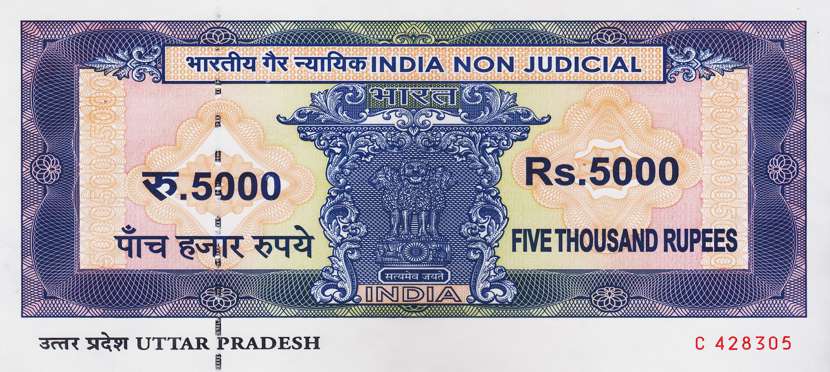
A Deed of Conveyance of an Interest in Property is a crucial legal document used to transfer a specific interest, such as an undivided share or limited rights, in immovable property from one party (transferor) to another (transferee). Unlike a full sale deed, this format is ideal for partial transfers, making it essential in scenarios like family partitions, co-ownership adjustments, or business asset reallocations. In India, such deeds must be executed on stamp paper of appropriate value and registered under the Registration Act, 1908, to gain legal enforceability and protect against future disputes.
Why is a Deed of Conveyance of an Interest in Property Format Important?
This document holds paramount importance in property transactions where absolute ownership isn't transferred. It provides clear legal evidence of the transfer, outlines rights and obligations, and safeguards interests amid complex ownership structures common in Indian real estate. Failing to use a proper format can lead to invalid transfers, litigation, or revenue losses due to improper stamping. Courts in India frequently rely on these deeds in partition suits, inheritance matters, and property disputes under civil law, emphasizing the need for precision to meet state-specific stamp duty and registration requirements.
Key Elements of a Deed of Conveyance of an Interest in Property
A comprehensive Deed of Conveyance of an Interest in Property Format should include:
- Parties Involved: Full details of transferor(s) and transferee(s), including names, addresses, and identification proofs.
- Recitals/Background: History of the property ownership and the reason for conveying the interest.
- Property Description: Precise details like survey number, boundaries, area, and location to avoid ambiguity.
- Interest Conveyed: Specifics of the share or rights being transferred (e.g., 1/4th undivided share).
- Consideration: Amount paid, payment mode, and receipt acknowledgment.
- Covenants and Warranties: Assurances on title, no encumbrances, and right to convey.
- Execution Clause: Signatures, witnesses, and date.
- Annexures: Maps, prior title deeds, or encumbrance certificates.
These elements ensure the deed is robust and court-ready.
Who Should Use This Deed of Conveyance Format?
This template is perfect for:
- Co-owners dividing family property in partition deeds.
- Businesses transferring partial property interests in mergers or asset sales.
- Individuals gifting or settling shares in immovable assets.
- Heirs resolving inheritance claims without full title transfer. Common in civil matters across states like Maharashtra, Karnataka, and Delhi, it's a go-to for lawyers, real estate professionals, and property owners seeking hassle-free transactions.
Benefits of Our Deed of Conveyance of an Interest in Property Template
- Ready-to-Use: Instant download in PDF/Word format, fully editable.
- Customizable: Tailor with AI tools or legal experts for your needs.
- Legally Compliant: Drafted per Indian laws, including TPA 1882 and state amendments.
- Cost-Effective: Save on lawyer drafting fees while ensuring professionalism.
- SEO-Friendly Tip: Pair with keywords like 'property interest transfer deed India' for better visibility.
Download Your Deed of Conveyance of an Interest in Property Format Today!
Get your free downloadable sample or premium customizable version now. Perfect for quick property interest transfers. Customize it further with our AI generator or consult a lawyer for personalized advice.
Important Note This is a general legal template and not a substitute for professional legal advice. Always verify with a qualified advocate for state-specific compliance, stamp duty, and registration. Explore related formats like Sale Deed, Gift Deed, or Partition Deed for comprehensive property documentation in India.
Important Guidelines
Guidelines for Drafting a Deed of Conveyance of an Interest in Property:
-
Title: Start with a clear title such as "Deed of Conveyance of [Type of Interest] in [Property Description]."
-
Parties: Identify the parties involved?the grantor (current owner) and the grantee (new owner or recipient of the interest). Include their full legal names, addresses, and contact details.
-
Property Description: Provide a detailed description of the property, including its physical address, boundaries, and any specific details that define it.
-
Type of Interest: Clearly specify the type of interest being conveyed (e.g., fee simple, life estate, easement) and any conditions or limitations associated with it.
-
Consideration: If applicable, specify any consideration or payment made for the conveyance.
-
Legal Recitals: Include relevant legal recitals, such as the reason for the conveyance and any pertinent legal references or agreements.
-
Signatures: Ensure both parties involved sign the deed in the presence of witnesses and a notary public to make it legally binding.
-
Legal Review: Have the deed reviewed by legal professionals to ensure compliance with local real estate laws and regulations.
Common Mistakes to Avoid:
Inadequate Property Description: Provide a complete and accurate property description to prevent boundary disputes or confusion.
Unclear Type of Interest: Clearly specify the type of interest being conveyed and any associated conditions or limitations.
Omitted Legal Recitals: Include relevant legal recitals to provide context and clarity for the conveyance.
Lack of Notarization: Properly notarize the deed to ensure its legal validity.
Inadequate Legal Review: Consult with a real estate attorney or legal expert to confirm that the deed aligns with local regulations and accurately represents the parties' intentions.
A Deed of Conveyance of an Interest in Property is used when transferring or conveying a specific interest in real property, such as ownership, a life estate, or an easement, from one party to another. Ensuring accurate property descriptions, clear identification of the type of interest, and legal review are essential to prevent any complications during the conveyance process. Consulting with legal professionals experienced in real estate matters is advisable to draft a comprehensive and legally sound deed.
Supporting Documents
Frequently asked questions
What is a Deed of Conveyance of an Interest in Property?→
This legal agreement transfers a specific interest or share in immovable property from the owner (conveyancer) to the buyer (conveyee) in India, governed by the Transfer of Property Act, 1882.
Is this Deed of Conveyance valid in India?→
Yes, it is legally valid across India when properly executed, stamped, and registered under the Indian Registration Act, 1908. Ensure compliance with state-specific laws.
Do I need to pay stamp duty for this Deed?→
Yes, stamp duty is mandatory as per the Indian Stamp Act, 1899, and varies by state based on property value and type of interest conveyed. Consult local authorities for exact rates.
In what format can I download this Deed?→
Download the Deed of Conveyance in editable Word format or print-ready PDF for easy use and customization.
Can I edit or customize this Deed of Conveyance?→
Yes, it is fully customizable. Edit details like parties' names, property description, and terms, but get it reviewed by a legal expert in India.
When should I use a Deed of Conveyance of an Interest in Property?→
Use it when transferring partial ownership or undivided interest in property, such as between co-owners or family members, to legally document the conveyance in India.