About this agreement
Important Guidelines
Common Mistakes to Avoid:
Supporting Documents
For an Agreement to Mortgage involving an individual mortgagor and a partnership firm as mortgagees over immovable property, parties typically need identity, ownership, and firm-related proofs to verify title, authority, and compliance before or at signing.
Aadhaar card and PAN card of Mortgagor
Required to establish identity and address of the individual borrower offering the property as security.
When: before signing
Partnership deed of M/s AB & Co.
Needed to confirm the constitution of the lending firm and names of all partners mentioned in the agreement.
When: before signing
Authorisation letter or consent from all partners
Confirms that the authorised partner signing on behalf of the firm has approval from other partners.
When: before signing
All title deeds of the property
Must be produced for inspection by the Mortgagees' Advocate to establish clear and marketable title free from encumbrances.
When: within eight days from signing
Encumbrance certificate and property tax receipts
Supports verification that the property is free from prior claims, litigation or dues.
When: before signing
Income Tax certificate under Section 230A
Required from the Mortgagor and any other persons executing the future mortgage deed for registration purposes.
When: before execution of the Deed of Mortgage
Passport-size photographs of Mortgagor and authorised partner
Commonly required for execution and notarisation of the agreement.
When: at signing
Frequently asked questions
What is an Agreement to Mortgage?→
An Agreement to Mortgage is a legal document in India under the Transfer of Property Act, 1882, where a borrower agrees to create a mortgage on property as security for a loan, often used for equitable mortgages.
Is this Agreement to Mortgage legally valid in India?→
Yes, it is legally enforceable in India when properly executed, stamped according to the state Stamp Act, and registered if the value exceeds the threshold.
Do I need to pay stamp duty on an Agreement to Mortgage?→
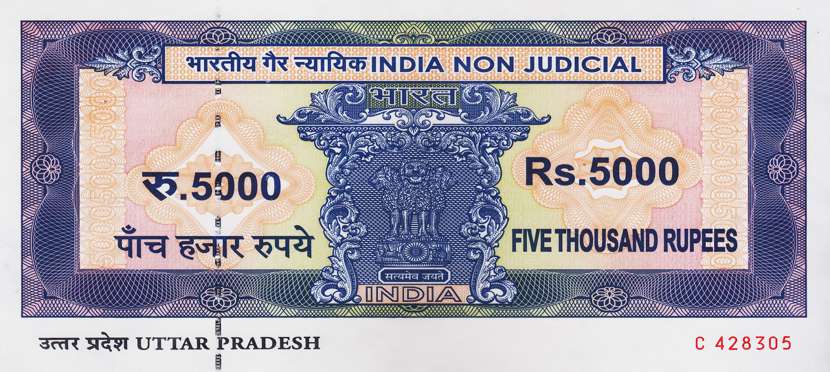
Yes, stamp duty is required under the Indian Stamp Act, varying by state and loan amount; rates are typically 0.1% to 0.5%—check with local authorities.
In what format can I download the Agreement to Mortgage?→
Download it in editable Word (.docx) or print-ready PDF format for convenience in India.
Can I customize or edit this Agreement to Mortgage template?→
Yes, the template is fully customizable; modify clauses for parties, property details, and terms to fit your specific legal needs in India.
When and who should use an Agreement to Mortgage?→
Lenders and borrowers in India should use it for securing loans via equitable mortgage by deposit of title deeds, avoiding immediate full mortgage registration.